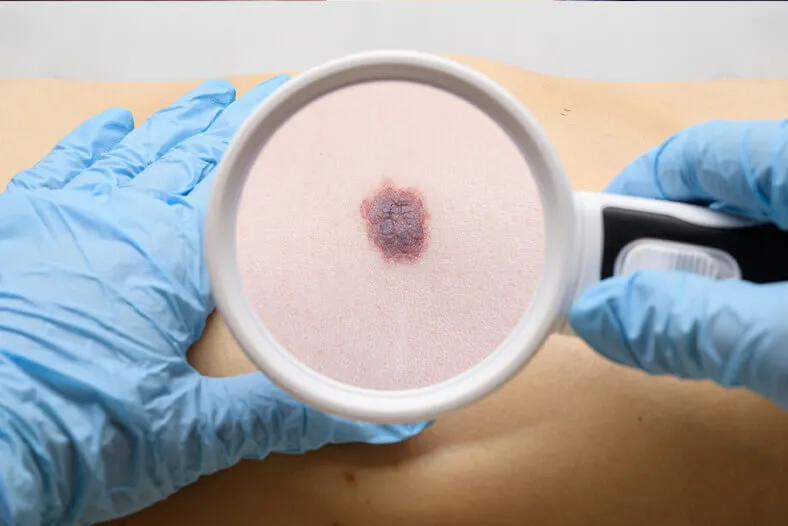
What is actinic keratosis?
Actinic keratosis (AK) is one of the most common forms of precancerous skin lesions: areas of skin that have developed abnormalities at the cellular level, usually because of long-term sun exposure.
An actinic keratosis typically looks like a dry, scaly or rough patch of skin. These spots often feel gritty, like sandpaper, and range in color from pink and red to brown or tan. They can develop anywhere, but most often form on sun-exposed areas such as the scalp, face, ears, neck, forearms and hands.
Why treat a spot that isn't cancer yet? Left untreated, actinic keratoses can progress into a type of skin cancer called squamous cell carcinoma (SCC). Diagnosing and treating precancerous lesions early significantly reduces the risk of skin cancer developing later.
Recognizing the early signs
Changes in the skin can be subtle, especially at first. What starts as a dry patch or slightly rough area can gradually become thicker, itchier or more irritated. Knowing what to look and feel for is key to catching precancers early.
-
Sandpaper texture
A dry, rough or gritty patch that is often easier to feel than to see.
-
Pink, red or scaly patches
Flat or slightly raised spots that may change color, thicken, itch or become irritated over time.
-
Persistent changes
Spots that crust, bleed, don't heal with over-the-counter creams, or keep coming back in the same place.
Where they usually appear
Because actinic keratoses are caused by long-term UV damage, they appear most often on skin that's routinely exposed to sunlight:
- Scalp and ears
- Face, nose and lips
- Neck and chest
- Forearms and the backs of the hands
Who is at higher risk?
Even without noticeable symptoms, routine skin exams with a dermatologist are essential if you have:
- Fair skin, light eyes, or red or blond hair
- A history of blistering sunburns or chronic sun exposure
- A personal or family history of precancers or skin cancer
Actinic keratosis & precancer treatment options
Every patient deserves a personalized approach. At your visit, one of our board-certified dermatologists will perform a thorough skin evaluation and discuss the best treatment options for your skin's needs.
-
Cryotherapy (freezing)
A quick, in-office procedure that uses liquid nitrogen to freeze and destroy abnormal cells, so new, healthy skin can grow.
-
Topical prescription creams
Applied at home to treat multiple or recurring lesions by eliminating damaged cells across broader areas.
-
Photodynamic & light therapies
Specialized light-based treatments for thicker or widespread precancerous patches.
-
Minor surgical removal
Recommended for thick or deep lesions that need excision or a laboratory biopsy.
Routine skin checks & preventive care
Being proactive about your skin health is one of the most effective ways to prevent skin cancer. Annual full-body skin exams by a dermatologist are essential for detecting early changes that may go unnoticed, and monthly self-exams at home help you get familiar with your skin and spot new or changing areas. Regular skin and mole checks are vital for catching changes early.
When to make an appointment
- A rough patch that doesn't heal
- A lesion that becomes painful or irritated
- Any spot that changes in size, shape or color
Trust your instincts: early evaluation can make a difference when something doesn't look or feel right.
Daily sun protection
- Wear broad-spectrum sunscreen
- Choose protective clothing
- Avoid intense sun during peak hours
These habits help preserve the health and appearance of your skin over time.
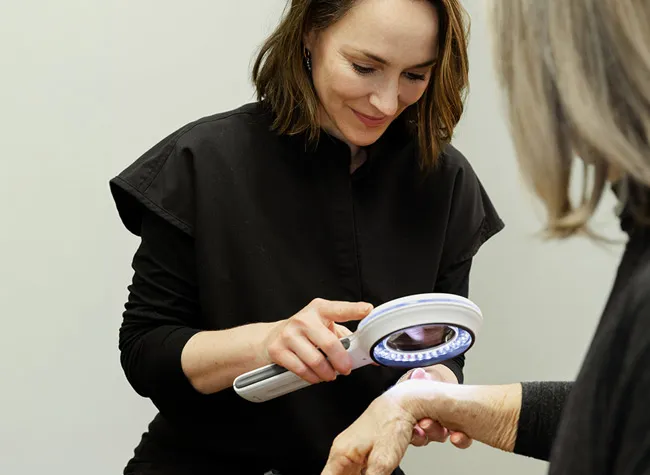
Trusted dermatology care across Georgia
From your first exam to follow-up care, we take the time to understand your concerns and create a treatment plan that fits your lifestyle and goals, with answers, reassurance and a commitment to clinical excellence.
Schedule your precancer consultation today
If you have a spot that doesn't seem to heal, a lingering rough patch, or a family history of skin cancer, don't wait to get it checked. Early action leads to the best outcomes, and we offer expert diagnosis and treatment at 13 convenient offices across Georgia.